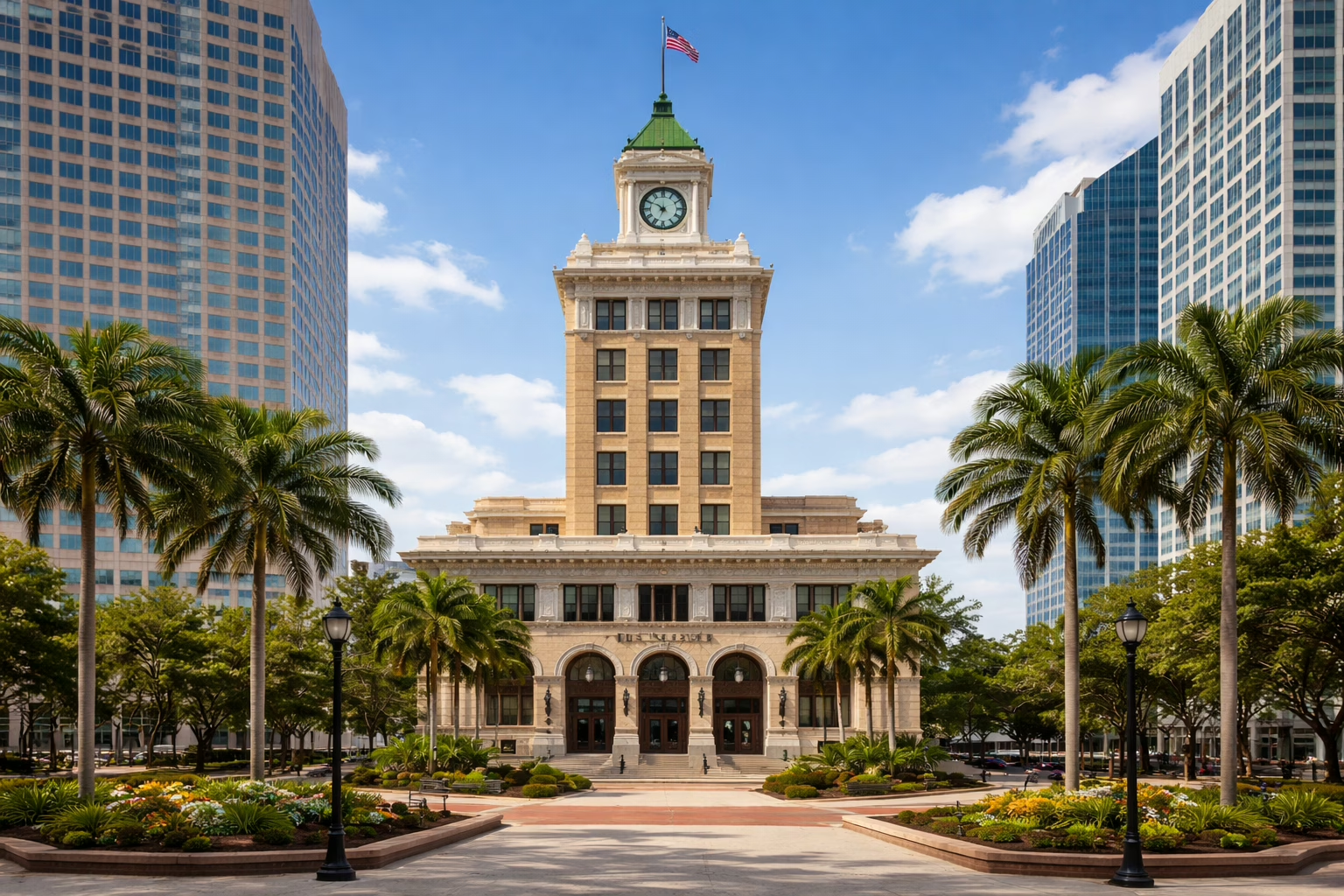
Tampa is best known for its waterfront, its food scene, and its year-round sunshine — but behind the palm trees and festivals is a city shaped every single day by its local government. Decisions made at City Hall and in the council chambers touch everything from your property taxes and your commute to whether a new apartment tower rises next door. If you’ve ever wondered how Tampa actually runs, this friendly guide breaks down the structure, the key players, the issues that dominate local debate, and how everyday residents can get involved.
How Tampa’s City Government Is Structured
Tampa operates under a strong mayor–council form of government. That means executive authority is concentrated in an elected mayor, while legislative power rests with the Tampa City Council. The two branches work together to set policy, pass the budget, and guide the city’s long-term direction — with each acting as a check on the other.
The Mayor of Tampa is the city’s chief executive. The mayor oversees city departments, proposes the annual budget, enforces ordinances, sets policy priorities, and represents Tampa in regional and state conversations on issues like transportation, economic development, and public safety. Tampa’s current mayor, Jane Castor — a former Tampa police chief — was first elected in 2019 and re-elected in 2023.
The Tampa City Council is the legislative branch, made up of seven members: four elected from specific geographic districts and three elected at-large to represent the entire city. The council passes ordinances, approves contracts and the budget, reviews zoning and land-use changes, and provides oversight of the executive branch. This blend of district and at-large seats is designed to balance neighborhood-level representation with a citywide perspective.
The Mayor and Council in Practice
The mayor and council have distinct roles, but their work is tightly linked. The mayor proposes initiatives, appointments, and the budget; the council debates, amends, and votes on them. When residents have a problem — a zoning dispute, a pothole, a drainage issue, or a public-safety concern — their district council member is usually the most direct point of contact, acting as a liaison between the neighborhood and city government.
It’s worth noting where city authority ends. Many services Tampa residents use are run by Hillsborough County rather than the city, including the Sheriff’s Office (outside city limits), the county school district, and county-wide transit. Understanding the city-versus-county split saves a lot of frustration when you’re trying to figure out who to call.
How Local Politics Works Day to Day
Local government doesn’t go quiet between elections — most of the real work happens in regularly scheduled City Council meetings, committee hearings, and public workshops. These meetings are open to the public and streamed online, and agendas are published in advance so residents can see what’s coming: budget hearings, rezoning requests, public-safety ordinances, and community-development proposals.
The most powerful tool for everyday residents is the public comment period. At designated points in council meetings, residents can address elected officials directly — and neighborhood turnout on a single rezoning or development item genuinely influences how council members vote. Many people who become civically engaged in Tampa trace it back to attending or watching their first meeting over an issue affecting their own street.
The Big Issues in Tampa City Politics
A handful of recurring themes dominate local debate in Tampa:
The City Budget and Public Services
The annual City of Tampa budget is the single most consequential document the government produces each year. It sets funding levels for police and fire, transportation, parks, housing programs, and core city services. Budget season involves balancing rising costs against taxpayer concerns, and residents pay close attention to how dollars are split between public safety, infrastructure, and neighborhood improvements.
Infrastructure and Flood Mitigation
Flooding is a defining challenge for a low-lying coastal city. Stormwater management, drainage upgrades, and flood-mitigation projects are perennial topics at council, and they’ve only grown more urgent as storms intensify. These projects can disrupt neighborhoods in the short term but are essential to the city’s long-term resilience — a reality that newcomers learn quickly, as our guide to moving to Tampa discusses.
Affordable Housing
Rapid population growth has driven home prices and rents sharply upward, pushing housing affordability to the center of local politics. The city has rolled out several affordable-housing initiatives, but residents and advocacy groups continue to debate whether the pace of new construction is keeping up with demand. The pressure is closely tied to the broader market trends covered in our overview of the Tampa Bay real estate market.
Development and Zoning
As Tampa grows, development and zoning decisions carry enormous weight. The council regularly reviews rezoning requests, impact fees, and land-use changes. Supporters argue new development fuels jobs and tax revenue; critics worry about traffic, environmental impact, and the erosion of neighborhood character. These debates — especially around dense projects in established neighborhoods — are some of the most contentious the council handles.
State and Local Tensions
Tampa, like all Florida cities, operates within a framework of state law. When the State of Florida passes legislation that preempts or limits local rules, it can spark debates over local control versus state authority. These moments draw strong public interest and highlight just how layered city governance can be.
Why Local Politics Matters
National politics gets the headlines, but local government has the most direct impact on daily life. City ordinances shape property taxes, public-safety policies affect your neighborhood, and transportation planning determines your commute. The upside is access: unlike Washington or Tallahassee, a single email, phone call, or three-minute public comment in Tampa can genuinely shift an outcome. Local government is where individual residents have the most leverage.
How to Get Involved
Civic engagement in Tampa is more accessible than most people assume. A few starting points:
- Attend or stream a City Council meeting. Review the published agenda ahead of time and focus on the items that affect you.
- Contact your district council member. They rely on resident feedback to guide their votes, and constituent input carries real weight.
- Join a neighborhood association. These groups often coordinate turnout on local issues and have established relationships with city staff.
- Apply to a city board or commission. Volunteer bodies advise the city on planning, historic preservation, and community development.
- Vote in municipal elections. Local turnout is typically low, which means each vote carries outsized influence over who leads the city and what policies they pursue.
Whether you’re a lifelong Tampa native or a recent transplant still learning the lay of the land, understanding how the city works — and showing up when it counts — is the surest way to have a say in the place you call home.
Explore more of Tampa:
- Want the backstory? Read more about the history of Tampa.