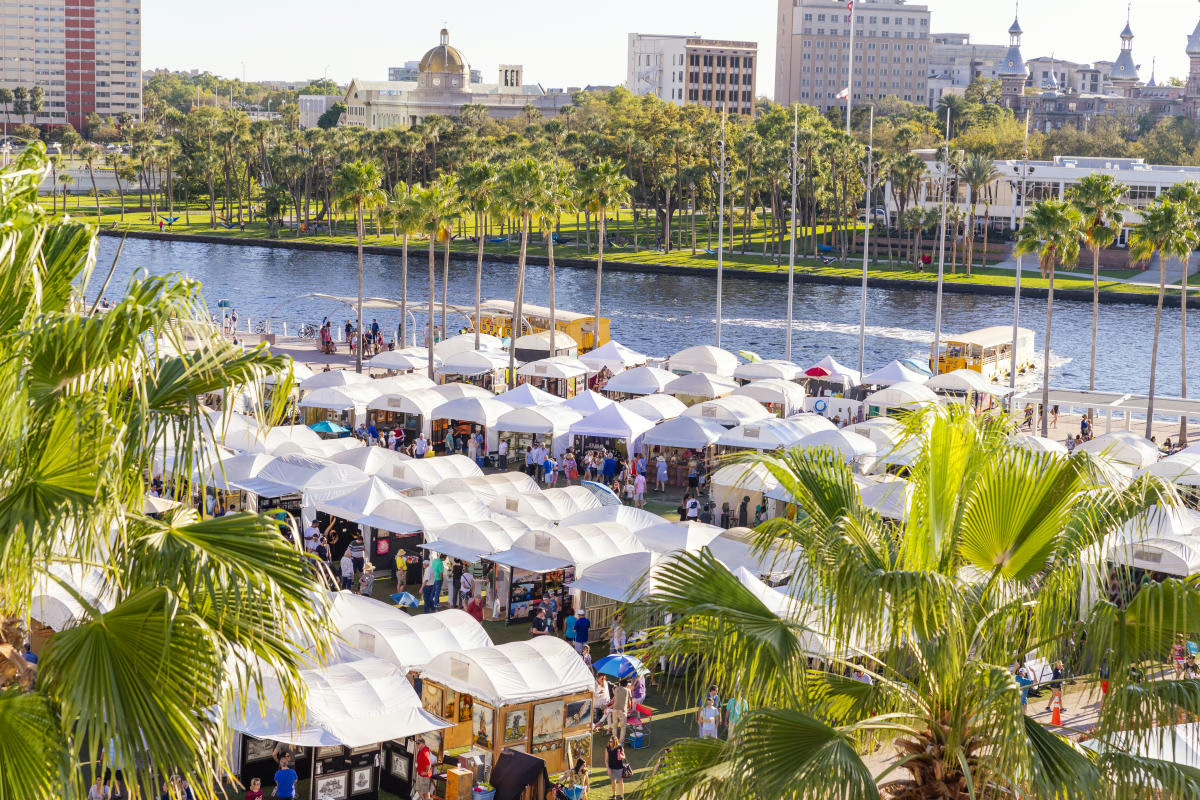
Each spring, downtown Tampa transforms into one of the Southeast’s premier outdoor art destinations for the Gasparilla Festival of the Arts — a free, two-day celebration of fine art that draws hundreds of juried artists and tens of thousands of visitors to the banks of the Hillsborough River. Whether you’re a serious collector, a casual art lover, or a family looking for a great day out, the festival is one of Tampa’s signature cultural events and a highlight of the broader Gasparilla season. Here’s everything you need to know to make the most of it.
When and Where the Festival Takes Place

The Gasparilla Festival of the Arts is held at Julian B. Lane Riverfront Park in downtown Tampa, set along the Hillsborough River with the city skyline as a backdrop. The two-day event typically runs on a weekend in early March, drawing more than 250 juried artists from across the country. Admission is free, which is a big part of what makes it one of the most accessible major art festivals in the Southeast.
Because it shares its name with Tampa’s wider Gasparilla season — the pirate-themed celebrations that take over the city from January through March — some first-time visitors confuse the art festival with the famous pirate parade. They are separate events, though both grew out of the same civic tradition. The art festival is the cultural counterpart to the parade’s pageantry, trading floats and beads for fine art, live music, and local food.
What Kind of Art You Will Find
This is a true fine-art show rather than a craft fair, and the jury process keeps the quality high. You’ll find original work across painting, photography, ceramics, glass, jewelry, sculpture, digital art, fiber, and mixed media. Many of the exhibiting artists travel a national show circuit, so the work on display is competitive with what you’d see at top-tier festivals in cities like Coconut Grove, Cherry Creek, or Ann Arbor.
Awards are a major part of the event. A panel of jurors distributes tens of thousands of dollars in prizes each year, including Best of Show and category awards, which means artists bring some of their strongest pieces. For collectors, that combination of quality and the chance to buy directly from the maker is a big part of the appeal.
What to Expect at Each Festival Section
The festival layout is designed for easy exploration, but knowing what to expect helps you make the most of your time. Artist booths are organized by medium, so if you have a particular interest in ceramics, sculpture, or photography, you can navigate directly to those sections. First-time visitors often underestimate how much ground there is to cover — most people find that two to three hours is the minimum needed to see everything comfortably.
The Emerging Artists section is one of the hidden gems of the festival. This curated area showcases up-and-coming talent selected alongside the main-show artists, and it’s where you’ll often find the most surprising and experimental work — with prices that tend to be more accessible for first-time collectors. If you’re attending with children, the Children’s Activity Tent offers hands-on creative projects led by local art educators, keeping younger visitors engaged while adults browse, and the Children’s Stage runs family performances throughout both days.
Food, Music, and Things to Do Beyond the Art

Beyond the artist booths, the festival features live music across multiple stages, a curated selection of food vendors, and a riverside setting that makes for an easy day out. Local restaurants and food trucks serve everything from Cuban classics to sweet treats, so it’s simple to make a full afternoon of it. The riverwalk location also connects to nearby downtown attractions — the Tampa Museum of Art, the Glazer Children’s Museum, and Curtis Hixon Waterfront Park are all within an easy walk — making it easy to pair your visit with other stops around the city.
The History Behind the Festival
Understanding the festival’s roots makes attending it feel even more meaningful. It traces its origins to the 1960s, when a juried art exhibit was held annually at the Florida State Fair in conjunction with Tampa’s famous Gasparilla pirate invasion. When the fair moved out of downtown, a group of local art advocates saw an opportunity to create something more permanent and community-focused.
The first standalone Gasparilla Sidewalk Art Festival launched in 1971, with nationally recognized jurors invited from institutions like the Museum of Modern Art in New York. It was an immediate success, earning the First Annual Governor’s Award for the Arts in 1973. Over the following decades it grew steadily in reputation and scale, eventually becoming the Raymond James Gasparilla Festival of the Arts that draws artists and collectors from across the country today. More than fifty years later, it’s still run by a volunteer board of directors and relies on community support, sponsorships, and hundreds of volunteers each year — a grassroots spirit you can still feel in how approachable the event remains.
Tips for First-Time Visitors
A few practical tips to get the most out of your visit:
- Arrive early on Saturday. The first hour after opening is the least crowded, and artists are especially willing to chat before the afternoon rush.
- Bring cash and a card. Some artists prefer cash for smaller purchases, though most accept cards.
- Do a full walk-through first. If you’re serious about collecting, survey everything before committing — it’s common to find your favorite piece in the last section you visit.
- Plan your parking and transit. Parking at Blake High School just north of the park is one of the most convenient options. The Tampa Pirate Water Taxi often runs festival specials and drops off near the park — a scenic, stress-free alternative to driving — and the free TECO Line Streetcar connects Ybor City to downtown with stops nearby.
- Dress for Florida spring. Early March is usually pleasant, but bring sun protection and water; the park offers limited shade.
The festival is one piece of a packed Gasparilla season and Tampa’s wider cultural calendar. If you’re planning a visit around it, our guide to the Tampa Food, Wine & Garden Festival and our overview of Tampa’s historic sites are great companions for a full arts-and-culture weekend. For more on the immigrant heritage that shaped the city’s festivals, see our guide to Ybor City.
Explore more of Tampa:
- Looking for more to explore? Check out our ultimate Tampa city guide.
- Want the backstory? Read more about the history of Tampa.