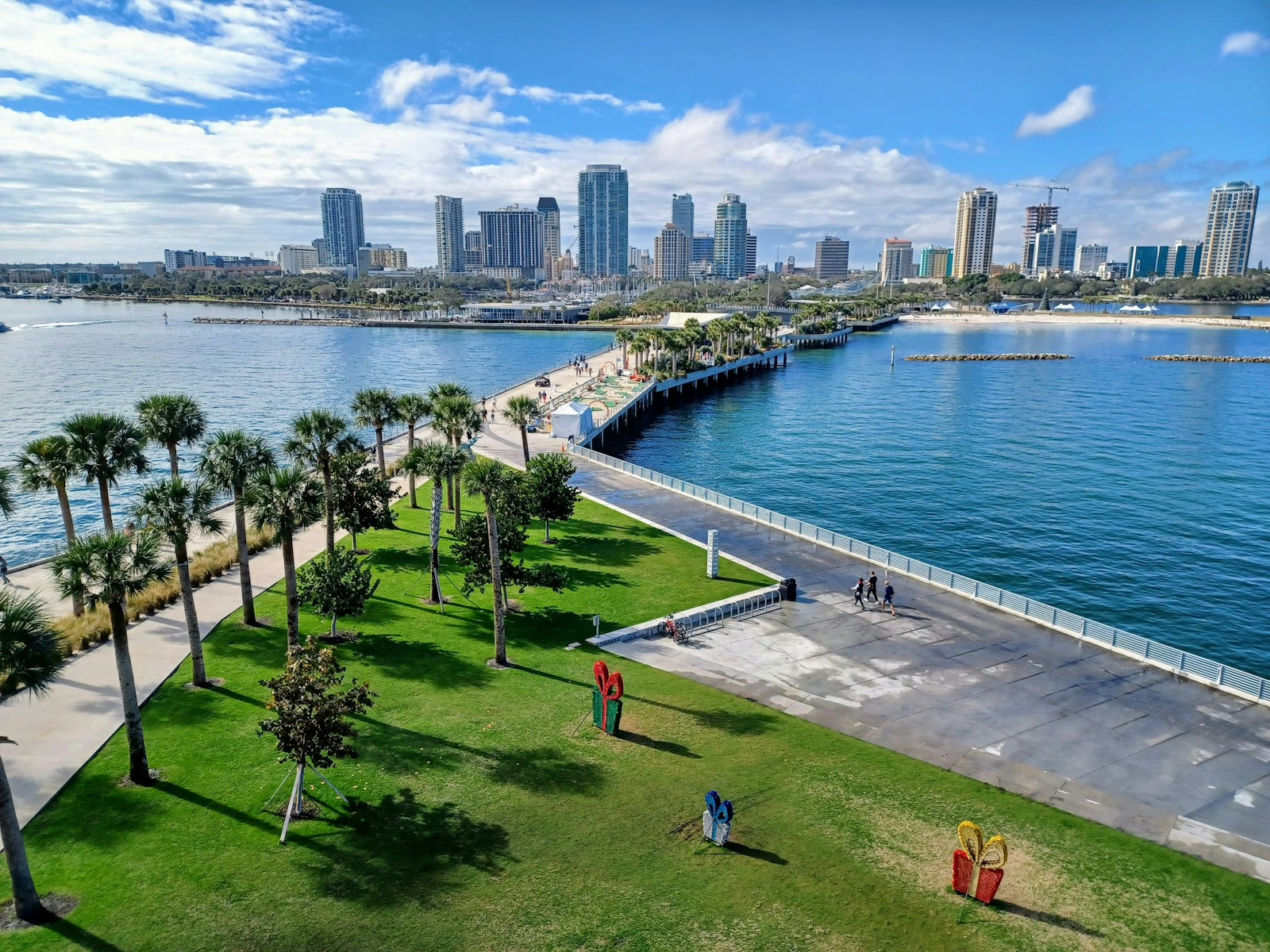
If you’re planning a trip to Tampa, you’ll find a mix of waterfront views, major attractions, vibrant neighborhoods, and local gems that most visitors miss. Whether you’re visiting for a weekend or considering moving, this guide covers everything you need—from must-see attractions to hidden spots locals actually frequent. This guide is built to answer real traveler questions like best things to do in Tampa Florida for first time visitors, where to stay in Tampa Florida near downtown, and affordable Tampa travel guide for families, while giving you a practical, on-the-ground feel for the city.
Why Visit Tampa, Florida?
Tampa has become one of the fastest-growing destinations in the United States. With year-round sunshine, a strong food scene, and easy access to Gulf Coast beaches, it offers both relaxation and activity. Travelers often search for why visit Tampa Florida instead of Orlando, is Tampa Florida worth visiting in 2026, and what is Tampa Florida known for tourism, and the answer lies in its balance. Tampa stands out for its waterfront layout, diverse neighborhoods, proximity to top-rated beaches like Clearwater Beach, and a balance of family-friendly attractions and nightlife. It’s also a popular relocation destination due to Florida’s lack of state income tax, which drives searches like moving to Tampa Florida pros and cons 2026 and cost of living in Tampa Florida compared to Miami.
Best Things to Do in Tampa
Explore Busch Gardens Tampa Bay
This is one of Florida’s top theme parks, combining roller coasters with a large zoo and safari experience. It appeals to both families and thrill-seekers and hosts seasonal events throughout the year. Visitors often look for Busch Gardens Tampa tips for first time visitors, best rides at Busch Gardens Tampa ranked, and how to save money at Busch Gardens Tampa tickets, making it one of the most searched attractions in the region.
Walk the Tampa Riverwalk
The Riverwalk is a scenic pedestrian path along the Hillsborough River that connects parks, museums, and restaurants. It’s one of the best ways to experience downtown Tampa, especially in the evening. Common searches include Tampa Riverwalk parking tips, things to do near Tampa Riverwalk at night, and free activities along Tampa Riverwalk downtown.
Visit The Florida Aquarium
A well-known attraction featuring marine life from Florida and around the world. It’s especially popular with families and offers interactive exhibits. Many visitors search for is Florida Aquarium Tampa worth it, best time to visit Florida Aquarium Tampa, and Tampa aquarium discounts and tickets.
Discover Ybor City
Ybor City is Tampa’s historic Latin district, known for its cigar heritage, nightlife, and cultural diversity. It’s one of the most unique areas in the city. Popular queries include things to do in Ybor City at night, is Ybor City safe for tourists, and best Cuban sandwich in Ybor City Tampa.
Hidden Gems in Tampa Locals Love
Davis Islands offers a quieter, upscale waterfront experience with scenic views and fewer crowds than downtown, often appearing in searches like hidden neighborhoods in Tampa Florida to visit. Lettuce Lake Park is ideal for nature lovers, with boardwalk trails, kayaking, and frequent wildlife sightings, aligning with searches for best parks in Tampa Florida for nature and wildlife. Seminole Heights has become one of Tampa’s trendiest neighborhoods, known for independent restaurants, craft breweries, and a strong local identity, making it popular for searches like best local restaurants in Seminole Heights Tampa and Tampa craft brewery guide Seminole Heights.
Best Beaches Near Tampa
Tampa itself is not directly on the Gulf, but some of Florida’s best beaches are within a short drive, which drives searches like best beaches near Tampa within 1 hour drive and family friendly beaches near Tampa Florida. Clearwater Beach is known for its soft white sand, family-friendly atmosphere, and consistent rankings among the top beaches in the country, often searched as Clearwater Beach parking tips and best time to visit Clearwater Beach Florida. St. Pete Beach offers a more relaxed experience, with fewer crowds and excellent sunset views, commonly searched as St Pete Beach vs Clearwater Beach which is better and quiet beaches near Tampa Florida locals recommend.
Where to Eat in Tampa
Tampa’s food scene continues to grow, blending Cuban, Spanish, and coastal influences. Local specialties include the Cuban sandwich, grouper sandwich, and deviled crab, which show up in searches like best Cuban sandwich in Tampa Florida authentic and where to eat grouper sandwich in Tampa Bay. Top areas for dining include Ybor City, Hyde Park, and Seminole Heights, each offering a different mix of traditional and modern cuisine. Visitors frequently search for best restaurants in Tampa Florida for tourists, affordable restaurants in Tampa downtown area, and romantic restaurants in Tampa Florida waterfront.
Tampa Nightlife Guide
Ybor City is the center of nightlife, with clubs, bars, and live music venues that attract a younger crowd, often searched as best clubs in Tampa Florida Ybor City and Tampa nightlife guide for singles. Hyde Park provides a more upscale experience with cocktail bars and date-night spots, matching searches like best cocktail bars in Hyde Park Tampa and date night ideas Tampa Florida. Downtown Tampa features rooftop bars and waterfront venues with a more polished atmosphere, often searched as rooftop bars in Tampa with a view and best bars in downtown Tampa Florida.
Family-Friendly Things to Do in Tampa
Tampa is well-suited for families, offering a wide range of attractions. Top options include ZooTampa at Lowry Park and Glazer Children’s Museum, along with parks and open spaces along the Riverwalk. Common searches include family friendly things to do in Tampa this weekend, things to do in Tampa with kids under 10, and free things to do in Tampa with family.
3-Day Tampa Itinerary
Day 1 focuses on downtown. Walk the Riverwalk, visit museums, and have dinner near the waterfront, aligning with searches like Tampa itinerary day 1 downtown activities.
Day 2 is ideal for visiting Busch Gardens, followed by an evening in Ybor City, often searched as a Tampa 3-day itinerary theme park and nightlife.
Day 3 should be dedicated to the beach, with a trip to Clearwater or St. Pete Beach and a sunset dinner, matching searches like Tampa beach day itinerary, Clearwater, and best sunset spots near Tampa, Florida.
Best Time to Visit Tampa
Winter through early spring offers the best weather and is the most popular time to visit, commonly searched as best time to visit Tampa Florida weather and Tampa, Florida winter travel guide. Summer brings higher temperatures and humidity but fewer tourists, often searched as is Tampa too hot in summer for vacation. Fall is often overlooked and can offer a good balance of weather and pricing, aligning with searches like cheapest time to visit Tampa Florida and Tampa travel deals off season.
Moving to Tampa
Tampa continues to attract new residents due to job growth, lifestyle, and tax advantages. The benefits include economic growth, coastal living, and no state income tax. The downsides include hot summers and increasing population density. This aligns with high-intent searches like moving to Tampa Florida guide 2026, best neighborhoods in Tampa Florida for families, is Tampa Florida good for remote workers, and Tampa Florida housing market trends 2026.
Final Thoughts
Tampa has evolved into one of Florida’s most well-rounded destinations. It offers a combination of culture, outdoor activities, and coastal access that appeals to both visitors and residents, consistently matching searches like complete Tampa travel guide for first time visitors and everything you need to know before visiting Tampa Florida.