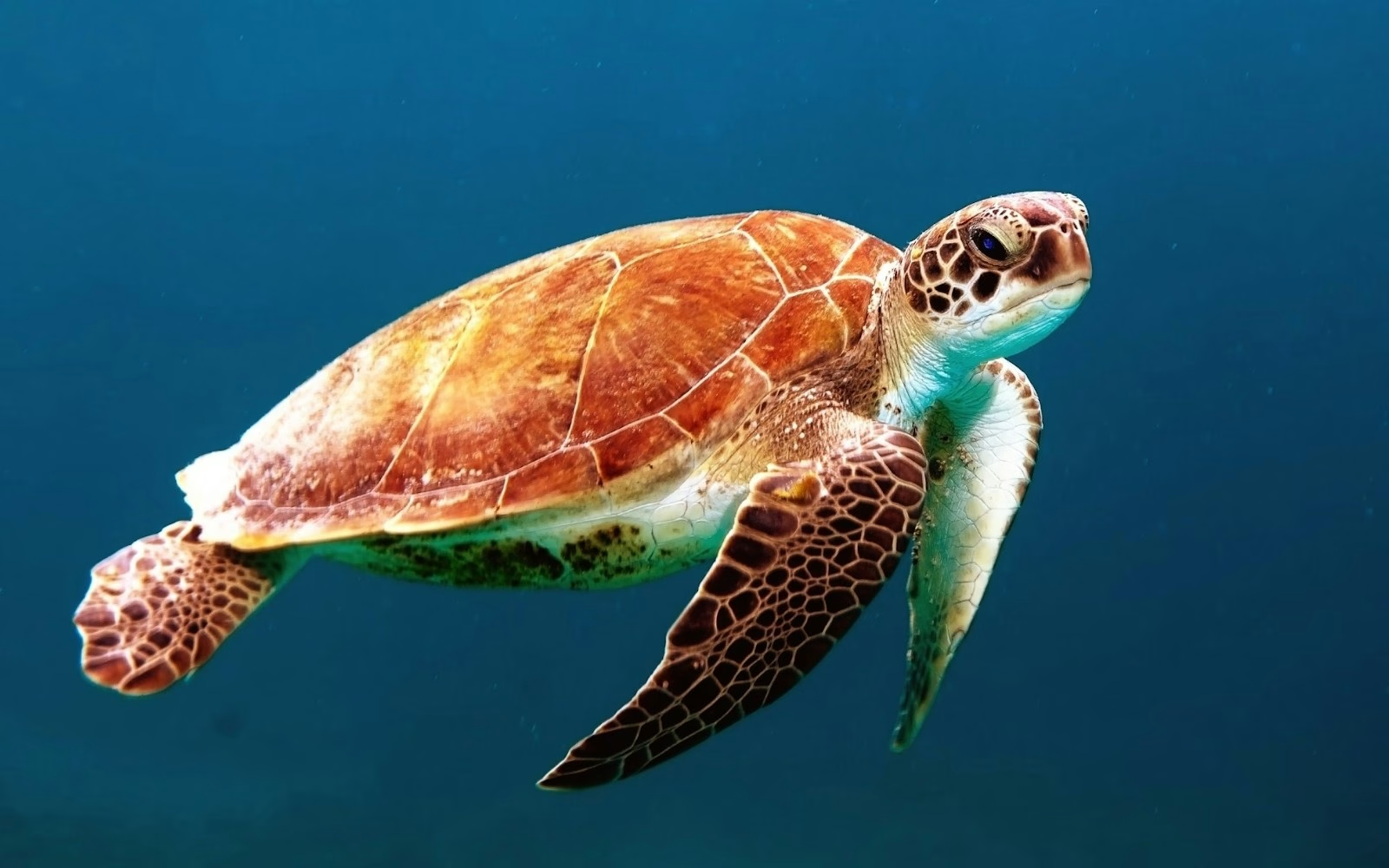
Sea Turtles of Tampa Bay: Nesting Beaches, Best Viewing, and How You Can Help
Every summer, one of nature’s most ancient rituals plays out quietly on the beaches of Tampa Bay. Under the cover of darkness, female sea turtles haul themselves ashore, dig deep nests in the sand, and lay their eggs before slipping back into the Gulf. Weeks later, tiny hatchlings erupt from the sand and scramble toward the waves. It’s a breathtaking cycle that has repeated for millions of years — and you can witness parts of it right here along our shores.
In this guide, we’ll introduce the sea turtles that call our waters home, point you to the best nesting beaches, explain how to responsibly enjoy the experience, and share simple ways you can help protect these gentle, threatened travelers.
Meet Tampa Bay’s Sea Turtles
Several species of sea turtle live in or migrate through the waters off Tampa Bay, but a few are especially important to our beaches:
- Loggerhead — by far the most common nester on our Gulf beaches, named for its large, powerful head.
- Green sea turtle — increasingly seen nesting locally, known for its herbivorous adult diet.
- Kemp’s ridley — the smallest and most endangered sea turtle, occasionally found feeding in the bay.
All sea turtles are protected under state and federal law, and every nest matters to these threatened populations.
When Is Sea Turtle Nesting Season?
Nesting season along the Tampa Bay area runs from roughly May 1 through October 31. During these months, females come ashore at night to nest, and later in the season the hatchlings emerge. Peak nesting typically happens in June and July, while hatchling season ramps up from late summer into fall. Because turtles nest and hatch at night, most of the action happens under the stars — which is exactly why beach lighting rules matter so much during these months.
Best Beaches to Learn About and See Sea Turtles
1. Fort De Soto Park
This beloved Pinellas County park protects miles of quiet, natural shoreline that loggerheads favor for nesting. Marked and staked nests are a common sight in summer — look but never disturb them.
2. Egmont Key
This island at the mouth of Tampa Bay, reachable only by boat, is an important nesting site and a wonderful wild place to explore during the day.
3. Anna Maria Island
Just south of the bay, Anna Maria’s beaches host abundant nesting, and the local turtle watch group monitors and marks nests throughout the season.
4. St. Pete Beach and Pass-a-Grille
These popular Gulf beaches also see regular nesting. You’ll spot staked-off nests roped with warning signs — a reminder to keep your distance.
5. Clearwater Marine Aquarium
Not a beach, but a must-visit. This renowned facility rehabilitates injured sea turtles and offers a fantastic, up-close educational experience — perfect for families and a great way to see turtles safely year-round.
A Turtle’s Incredible Journey
What makes sea turtles so awe-inspiring is the epic scale of their lives. A female loggerhead that nests on a Tampa Bay beach may have hatched on that very same stretch of sand decades earlier — sea turtles famously return to their natal beaches to lay their own eggs, guided by an internal compass that reads the earth’s magnetic field. Between nesting seasons, these turtles roam vast distances across the Gulf of Mexico and beyond, feeding on jellyfish, crabs, and seagrass. It can take 25 to 35 years for a loggerhead to reach breeding age, which means every nesting female you might see has beaten astronomical odds to get there. Of the thousands of hatchlings that scramble to the sea, only a tiny fraction survive to adulthood, dodging birds, fish, and countless other hazards along the way. Understanding that long, perilous journey makes the sight of a single nest all the more precious — and it’s exactly why our local conservation efforts matter so much.
How to Watch Responsibly
Sea turtles are extraordinarily sensitive to disturbance, especially during nesting and hatching. Please follow these guidelines:
- Never touch or approach a nesting turtle, hatchling, or nest.
- Keep lights off. Artificial light disorients turtles — skip flashlights and camera flash, and don’t use your phone screen near the water at night.
- Stay behind marked nests and never dig near them.
- Join an authorized turtle walk if you want to see nesting up close — permitted guides know how to do it safely.
How You Can Help Protect Sea Turtles
The good news is that protecting sea turtles is something everyone can do, and small actions add up:
- Turn off or shield beachfront lights during nesting season, and close curtains facing the beach.
- Fill in holes and knock down sandcastles before you leave the beach — they trap hatchlings and nesting females.
- Remove beach furniture and gear at night so turtles have a clear path.
- Pick up trash, especially plastic, which turtles can mistake for food.
- Report stranded or injured turtles to the Florida Fish and Wildlife Conservation Commission’s wildlife hotline.
Frequently Asked Questions
Can I watch sea turtles nest in Tampa Bay?
Yes, but only responsibly. The best and safest way is to join an authorized, permitted turtle walk. Never approach a nesting turtle on your own or shine lights on the beach at night.
When do baby sea turtles hatch?
Hatchlings typically emerge from late summer through fall, roughly 45 to 70 days after the eggs are laid.
Why can’t I use lights on the beach at night?
Hatchlings navigate toward the brightest horizon, which should be the moonlit Gulf. Artificial lights lure them inland, where they can die of exhaustion or predators. Keeping it dark saves lives.
What should I do if I find a hatchling or injured turtle?
Don’t touch it. Keep pets and people away, and immediately call the Florida wildlife hotline or a local turtle patrol for guidance.
The Bottom Line on Sea Turtles in Tampa Bay
The sea turtles of Tampa Bay are living links to the age of dinosaurs, and every summer they trust our beaches with the future of their species. By choosing responsible viewing, keeping the beaches dark and clean, and supporting local conservation groups, you can be part of their remarkable comeback story. Whether you visit a nesting beach, join a guided walk, or meet a rehabilitating turtle at the Clearwater Marine Aquarium, spending time with these gentle mariners is a reminder of just how wild and precious our Gulf Coast truly is.
Related Reading
Keep exploring the wild side of the region with these guides: