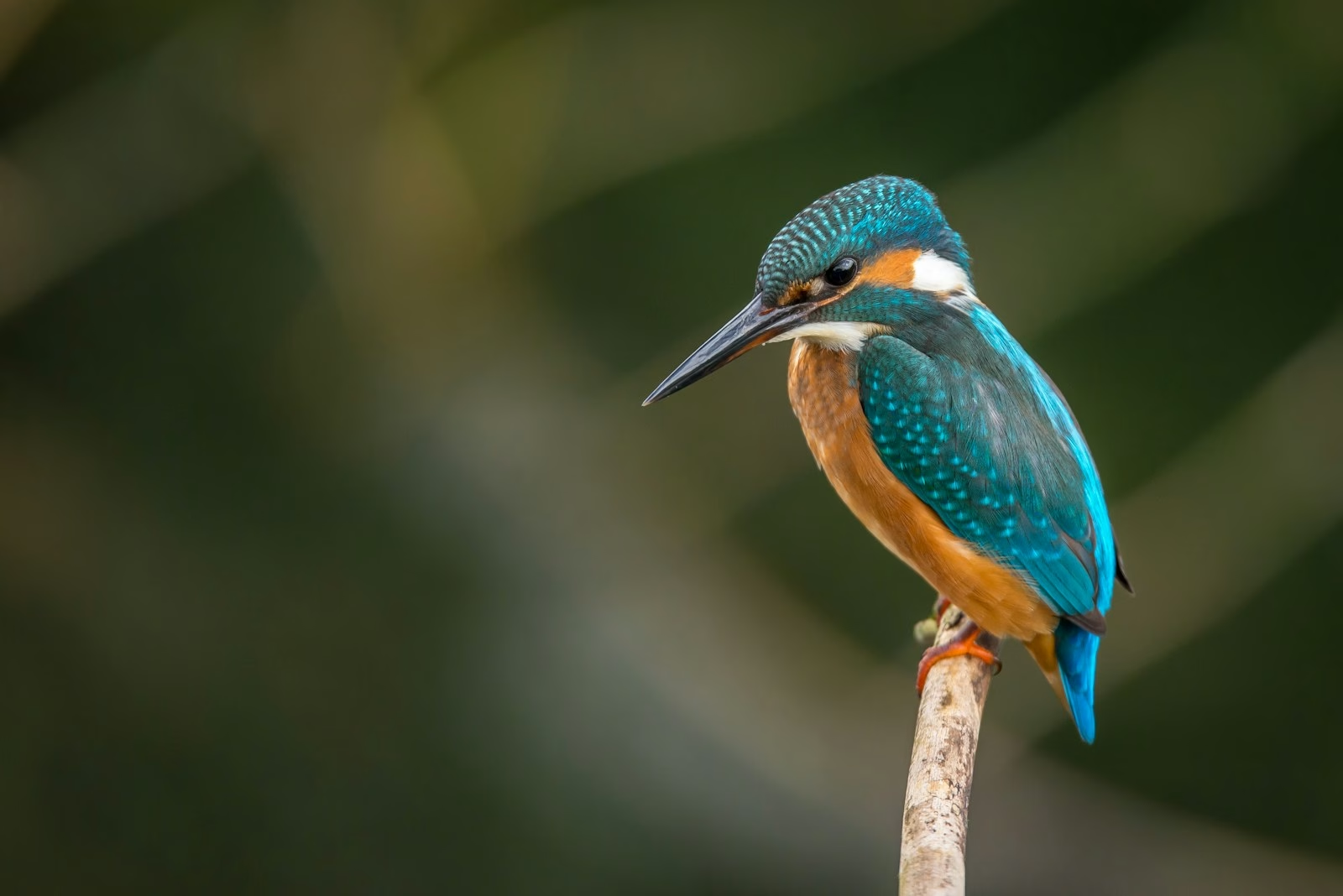
Birdwatching in Tampa Bay: Top Spots and Species for Every Nature Lover
If you’ve ever paused to watch a great blue heron stalk the shallows or a squadron of pelicans skim inches above the waves, you already understand the quiet joy of birdwatching. And around Tampa Bay, that joy is easy to come by. Our region sits along one of North America’s great migratory flyways, which means the birding here is genuinely world-class — whether you’re a seasoned birder with a life list or a curious beginner with binoculars borrowed from a friend.
In this friendly guide, we’ll cover the best places to go, the star species to look for, and a few simple tips to make your outings more rewarding. Grab your binoculars — there’s a whole feathered world waiting.
Why Tampa Bay Is a Birding Hotspot
Tampa Bay offers an incredible variety of habitats packed into a small area: mangrove shorelines, seagrass flats, freshwater marshes, pine flatwoods, and coastal islands. Each habitat draws its own cast of birds, so you can rack up an impressive species count without driving far. Add in the seasonal waves of migrating warblers, shorebirds, and raptors, and it’s easy to see why birders travel from around the country to visit our corner of Florida.
Best Places to Go Birdwatching Around Tampa Bay
1. Fort De Soto Park
Consistently ranked among the top birding destinations in the entire country, Fort De Soto is a must-visit. During spring migration, the park’s trees can be dripping with warblers, tanagers, and buntings that have just crossed the Gulf. The beaches and lagoons host shorebirds, terns, and skimmers year-round. Bring a field guide and give yourself the whole morning.
2. Circle B Bar Reserve
A short drive east near Lakeland, this reserve is famous for close-up views of wading birds, alligators, and the occasional bald eagle. The Marsh Rabbit Run trail is a photographer’s dream, with roseate spoonbills, herons, and anhingas often just feet from the path.
3. Lettuce Lake Park
Right in Tampa along the Hillsborough River, this park’s boardwalk and observation tower put you eye-level with treetop songbirds and give sweeping views of the wetland below. It’s perfect for a relaxed outing and great for families.
4. Weedon Island Preserve
This 3,700-acre preserve in St. Petersburg protects mangrove estuary habitat that shorebirds and wading birds adore. Paddle the marked canoe trail or walk the boardwalks and you’ll likely tally ospreys, ibises, and reddish egrets.
5. Honeymoon Island State Park
Near Dunedin, Honeymoon Island’s Osprey Trail lives up to its name, with active osprey nests and plenty of shorebirds along the sandy shoreline. It’s an easy, scenic spot for a casual birding walk.
Star Species to Look For
Tampa Bay’s bird list runs into the hundreds, but here are a few crowd-pleasers worth seeking out:
- Roseate Spoonbill — the flamingo-pink showstopper of Florida wetlands, with its unmistakable spoon-shaped bill.
- Reddish Egret — watch for its wild “dancing” hunting style in the shallows.
- Bald Eagle — Florida has one of the densest eagle populations in the country, and Tampa Bay nests are active in winter.
- Osprey — these fish hawks are everywhere, plunging talons-first into the water.
- Painted Bunting — a jewel-toned migrant that turns up in winter and during migration.
- Wood Stork — a large, prehistoric-looking wading bird that’s a treat to spot.
The Best Time of Year
You can bird year-round in Tampa Bay, but the sweet spots are fall and spring migration (roughly September–October and April–May), when songbirds pour through, and winter, when ducks, raptors, and northern shorebirds arrive to escape the cold. Summer is quieter and hotter, but it’s prime time for nesting wading birds and colorful breeding plumage.
Simple Tips for Better Birding
- Go early. Birds are most active in the first few hours after sunrise.
- Move slowly and quietly. Sudden movements send birds flying.
- Bring binoculars and a field guide or app. A good pair of binoculars transforms the experience.
- Dress for the marsh. Neutral colors, sun protection, and bug spray go a long way.
- Keep a respectful distance from nests and roosts so you don’t disturb the birds.
Making a Day of It
One of the best things about birding in Tampa Bay is how easy it is to combine with everything else our region offers. Many of the top spots sit right next to beaches, paddling trails, and picnic areas, so you can start with a sunrise bird walk and roll straight into a relaxed afternoon by the water. Fort De Soto, for example, pairs incredible birding with some of the finest sandy shoreline on the Gulf, while Circle B Bar Reserve makes an easy day trip paired with a stop in downtown Lakeland. Bringing kids? The boardwalks at Lettuce Lake and Weedon Island keep little legs happy and give young naturalists a real chance to spot herons, turtles, and maybe even an alligator sunning on the bank. Pack a cooler, plan a loose route, and let the day unfold at a gentle, bird-friendly pace — there is no rush when the scenery is this good.
Frequently Asked Questions
Do I need expensive gear to start birdwatching?
Not at all. A modest pair of binoculars and a free bird ID app are enough to get started. Many people begin with nothing but their eyes and a sense of curiosity.
Where can beginners see a lot of birds easily?
Lettuce Lake Park and Circle B Bar Reserve are both beginner-friendly, with easy trails and boardwalks where birds are close and abundant.
When is bird migration in Tampa Bay?
Spring migration peaks around April, and fall migration runs from about September into October. Both bring a surge of species passing through.
Are there guided bird walks?
Yes — local Audubon chapters and several parks host free or low-cost guided walks, which are a fantastic way for beginners to learn.
The Bottom Line on Birdwatching in Tampa Bay
From pink spoonbills wading in the shallows to eagles soaring overhead, Tampa Bay serves up some of the finest birdwatching anywhere in Florida. With world-famous spots like Fort De Soto and easygoing family destinations like Lettuce Lake Park, there’s a perfect outing for every skill level. So grab your binoculars, head out at dawn, and let the region’s incredible birdlife win you over — one feathered friend at a time.
Related Reading
Keep exploring the wild side of the region with these guides: