Alligators in Tampa Bay: Where to Safely See Florida’s Iconic Reptile
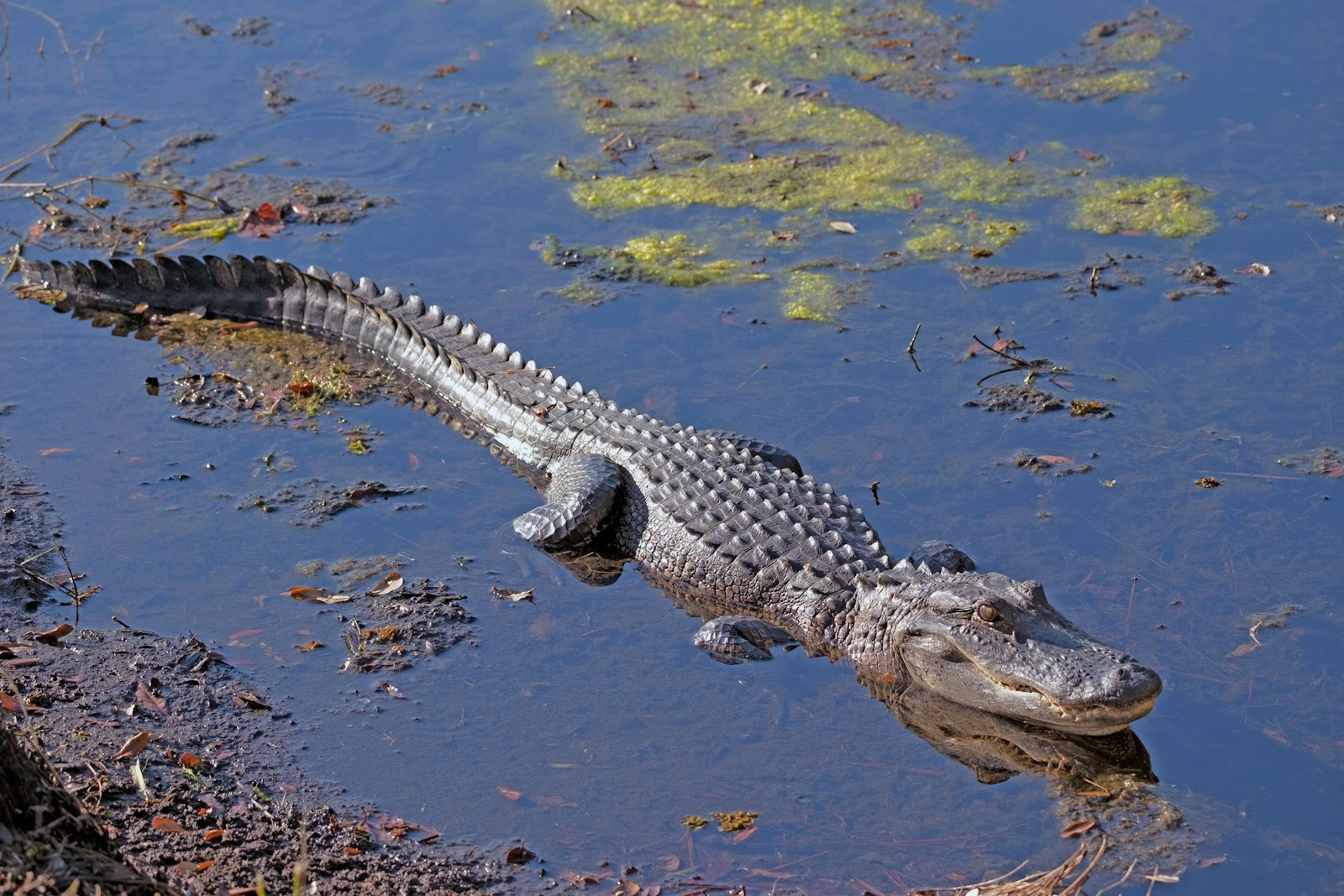
Few animals say “Florida” quite like the American alligator. These ancient, armored reptiles have been cruising our waterways for millions of years, and around Tampa Bay they’re a common — and genuinely thrilling — sight. Watching a big gator glide silently across a marsh or bask motionless on a sunny bank is a quintessential Gulf Coast experience. The good news? You can enjoy alligators safely and up close if you know where to go and how to behave around them.
In this friendly guide, we’ll share the best places to spot alligators near Tampa, when they’re most active, and the simple safety rules that keep both you and the gators out of trouble.
A Quick Introduction to the American Alligator
American alligators are freshwater reptiles found throughout Florida’s lakes, rivers, marshes, and swamps. Adults commonly reach 8 to 12 feet long, and the largest males can exceed 13 feet. Despite their fearsome reputation, alligators are generally shy and will avoid humans when left alone. They’re cold-blooded, so you’ll often see them basking in the sun to regulate their body temperature. As apex predators, they play a vital role in keeping our wetland ecosystems healthy — their “gator holes” even provide water refuges for other wildlife during dry spells.
Best Places to Safely See Alligators Around Tampa Bay
1. Lettuce Lake Park (Tampa)
This riverside park’s elevated boardwalk is one of the safest, easiest spots to see wild gators. Peer down from the walkway and you’ll often find them sunning along the banks of the Hillsborough River, alongside turtles and wading birds. It’s family-friendly and completely free to walk.
2. Hillsborough River State Park
A short drive north of Tampa, this classic state park offers scenic river trails where alligators are frequently spotted. The mix of rapids, hardwood forest, and calm river makes for a beautiful hike with a good chance of a gator sighting.
3. Circle B Bar Reserve (Lakeland)
Famous among photographers, this reserve’s trails wind through prime alligator habitat. Along the Marsh Rabbit Run, it’s common to see multiple gators of all sizes, plus a spectacular supporting cast of birds. Keep to the trails and enjoy the show from a safe distance.
4. Lake Manatee State Park
South of Tampa, this quieter park along Lake Manatee offers a chance to spot gators from the shoreline and trails without the crowds of busier destinations.
5. Myakka River State Park
A bit farther afield near Sarasota, Myakka is legendary for its huge alligator population. During the dry season, gators gather in dramatic numbers at the “deep hole,” making it one of the best gator-watching spots in the state.
When Are Alligators Most Active?
Alligators are most visible in the warmer months, roughly March through October, when they’re actively feeding, basking, and — in spring — bellowing during mating season. Their springtime courtship, complete with deep rumbling calls and water-dancing displays, is a remarkable thing to witness from a safe boardwalk. In cooler weather they slow down and may hide away for days at a time. For daily timing, early morning and late afternoon are prime, as gators love to bask when the sun is gentle. Warm, sunny days after a cool night are especially good, since they’ll haul out to soak up the heat.
Alligator or Crocodile?
Visitors are sometimes surprised to learn that Florida is the only place on earth where alligators and crocodiles live side by side — though around Tampa Bay, you’ll almost certainly be looking at an alligator. A few easy tells help you know which is which. Alligators have broad, rounded, U-shaped snouts, while the rarer American crocodile sports a narrower, V-shaped snout. Alligators are dark, blackish-gray and prefer fresh water, whereas crocodiles are lighter, grayish-green and tolerate salt water better. When an alligator closes its mouth, its lower teeth tuck neatly out of sight; a crocodile’s fourth tooth stays visible in a toothy grin. Crocodiles are largely confined to the southern tip of the state, so any large reptile you meet in a Tampa Bay park or river is a good old American alligator. Knowing the difference is a fun bit of Florida trivia to share on the trail — and a nice reminder of just how biologically rich our region is.
Alligator Safety: The Golden Rules
Alligators deserve respect, not fear. Follow these simple rules and you’ll stay perfectly safe:
- Keep your distance. Stay at least 30 feet away. Never approach for a closer photo.
- Never feed an alligator. It’s illegal and dangerous — fed gators lose their fear of people.
- Keep pets leashed and away from the water’s edge. Small pets can look like prey.
- Watch children closely near any fresh or brackish water.
- Swim only in designated areas and avoid the water at dawn and dusk, when gators feed.
- If a gator hisses or opens its mouth, back away slowly — it’s telling you you’re too close.
Photographing Alligators
You don’t need to get close for a great photo — you need a zoom lens. A telephoto lens or a phone with good optical zoom lets you capture stunning detail from a safe distance. Boardwalks and observation platforms are ideal, giving you a clear, elevated angle. Shoot in the soft light of early morning or late afternoon for the best results, and always prioritize safety over the perfect shot.
Frequently Asked Questions
Are alligator attacks common in Tampa Bay?
No. Serious alligator attacks are extremely rare, and nearly all incidents involve people feeding gators or entering the water carelessly. Follow basic safety rules and your risk is minimal.
Where is the safest place to see an alligator?
Elevated boardwalks like the one at Lettuce Lake Park are ideal — you get excellent views while staying safely above the water.
What should I do if I see an alligator on a trail?
Give it plenty of space and calmly walk around it or wait for it to move. Never try to get closer or provoke it.
Can I see baby alligators?
Yes, especially in late summer and fall. Just remember that a protective mother is usually nearby, so keep an extra-safe distance from any young gators.
The Bottom Line on Alligators in Tampa Bay
Seeing a wild alligator is one of the most memorable parts of exploring Florida’s natural side, and Tampa Bay makes it wonderfully accessible. With safe boardwalks, scenic state parks, and easy day trips, you can admire these prehistoric survivors up close while giving them the respect they deserve. Keep your distance, never feed them, and let their quiet, ancient power remind you just how wild and wonderful our corner of the Gulf Coast really is.
Related Reading
Keep exploring the wild side of the region with these guides: