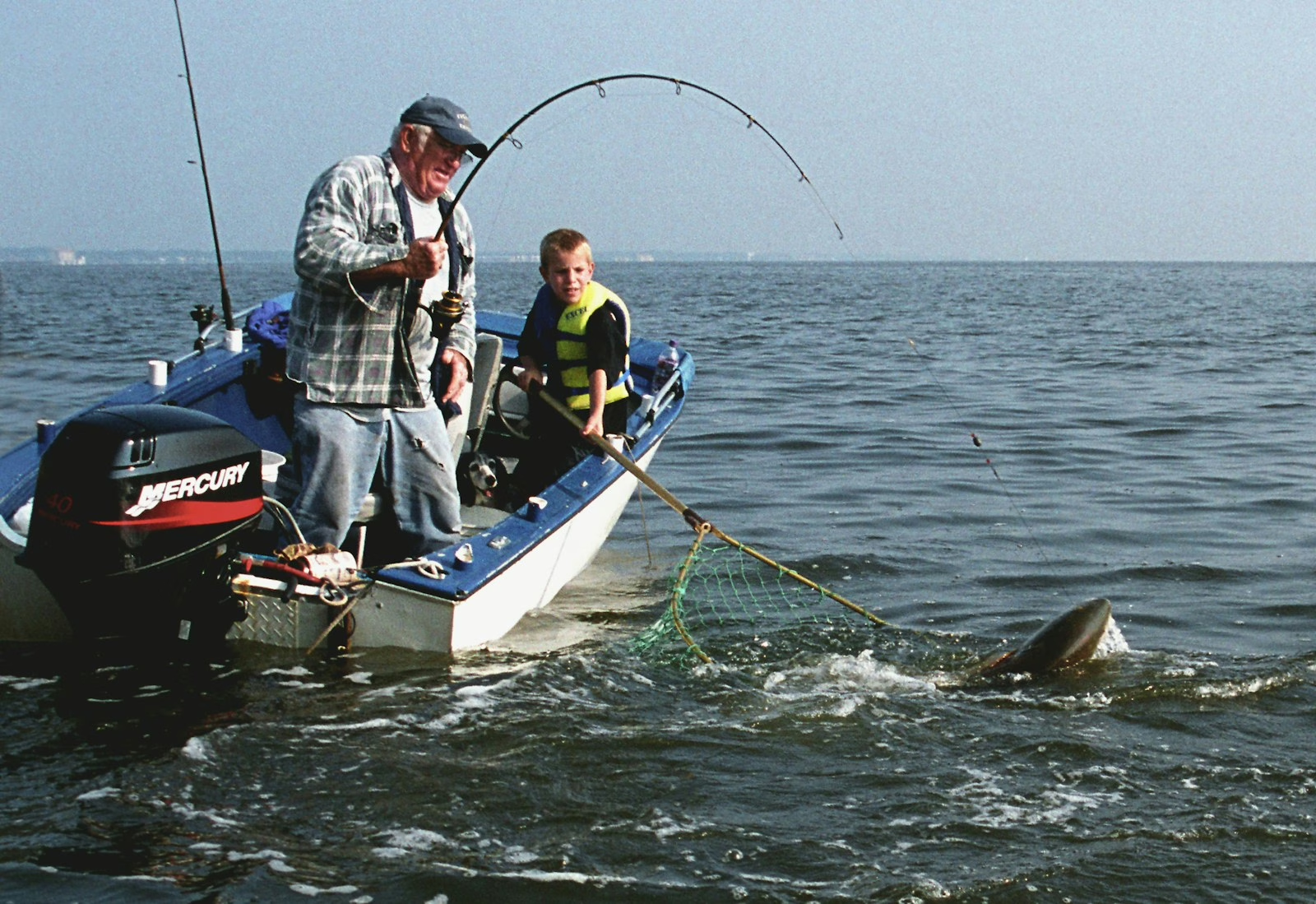
If you’re looking for top-tier fishing destinations, few places compare with the waters around Tampa Bay (Florida). From flats and mangrove shorelines to deep channel edges, Tampa’s fisheries offer something for everyone–from the fly-fisher wading the grass flats to the offshore angler in search of grouper or king mackerel.
With a mix of freshwater and saltwater, in-shore and off-shore, and an abundance of species, fishing in Tampa is both varied and thrilling. Below, we explore the best spots, species, seasonal tips, gear considerations, and regulations.
Why Tampa is a Fishing Hotspot
Tampa Bay is Florida’s largest open estuary, with four major rivers feeding into it and a wide diversity of habitat—from shallow grass flats to deep shipping channels. The mixture of flats, mangroves, reefs, and wrecks means you can target a broad spectrum of species: snook, redfish, trout, tarpon, cobia, grouper, snapper, and more.
Add to that the presence of artificial reef programmes (which enhance structure and fish production) and the fact that the area has produced world records, and you have a bona fide angling destination.
Best Fishing Areas in Tampa Bay
Here are some of the top spots to cast a line:
Flats & Mangrove Shorelines
The shallow flats and mangrove edges around Tampa provide excellent inshore fishing opportunities. For example, the apartments near the power-plant outflows and mangrove tunnels are ideal for redfish, snook, and trout. Tampa Fishing+1
Bridges and Structure
Structures such as the Sunshine Skyway Bridge and other bridges create current, shade, and habitat where fish congregate. These spots are excellent for species like tarpon, grouper, and Spanish mackerel. & Nearshore Reefs
For deeper water and larger species, the shipping channels and artificial reefs around Tampa Bay offer access to grouper, cobia, amberjack, and king mackerel.
Common Target Species & When to Catch Them
Here are some of the key species and what you need to know:
-
Tarpon: These “silver kings” cruise the bay in spring through summer. They’re strong fighters and a highlight for many anglers.
-
Snook: Found year-round in the bay, particularly around docks, mangroves, and structure. Winter months see them in deeper, warmer water. Tampa Fishing
-
Redfish (Red Drum): Common in the shallow flats and mangrove edges, especially in mild months when the water warms.
-
Spotted Seatrout: Abundant and fun to catch on the flats and grass edges.
-
Spanish Mackerel: Fast, exciting fish found near bait schools, passes, and shallow flats.
-
Grouper / Cobia / Snapper: For the deeper structure anglers, these are big-game species off the flats and near reef/structure.
Seasonal Fishing Calendar
Understanding seasonal patterns will dramatically improve your catch rate.
-
Winter (Dec-Feb): Cooler water pushes fish into deeper water or canals. Good for sheepshead, black drum, trout.
-
Spring (Mar-May): Water warms, bait returns, snook and redfish become active, and tarpon begin migrating in. Good time to plan trips.
-
Summer (Jun-Aug): Peak tarpon season, strong inshore action, flats are lively early morning/late evening to beat the heat.
-
Fall (Sep-Nov): Many species feed heavily before winter — redfish, snook, trout provide reliable bites. Offshore species are also active, preparing for winter.
Tips for Success
-
Tide matters: Moving water (incoming or outgoing) pushes bait and triggers feeding. Plan around tide swings.
-
Match your bait to what’s available: Live shrimp, pilchards/pinfish, and realistic artificial lures work well.
-
Use lighter leader in clear water: Many flats and mangroves in Tampa are clear, so stealth helps especially for wary species like snook.
-
Hire a guide or charter: Especially useful for newcomers or if you want to go deep or offshore; local captains know seasonal patterns and hotspots.
-
Observe structure and habitat: Mangroves, oyster bars, docks, channel edges draw fish. Similarly, artificial reefs attract fish looking for structure.
-
Be mindful of regulations: Licenses, size limits, and closed seasons all apply. For example, shore anglers must still hold a saltwater license in many cases.
Regulations & Environment
Before you head out, make sure you’ve got a valid license. In Florida, both freshwater and saltwater fishing licenses are required for residents and non-residents in many cases.
Additionally, the region’s artificial reef programme helps maintain and enhance habitat for sport fish – anglers are encouraged to practise responsible catch-and-release, dispose of line properly, and support conservation.
Final Thoughts
Whether you’re casting from the shoreline, drifting a shallow flat by kayak, or heading offshore for grouper and cobia, Tampa offers world-class fishing with accessible options for all skill levels. The mix of species, varied habitats, and seasonal cycles makes it an angling playground. Respect the habitat, know the tides, match your gear and bait, and you’re likely to head home with a great day on the water.
Explore more of Tampa:
- For more green space and outdoor spots, explore the parks in the Tampa Bay area.
Freshwater Fishing Spots Near Tampa Bay
Prefer freshwater? Some of the best bass and panfishing in central Florida sits within a short drive of downtown Tampa:
Lake Tarpon
Lake Tarpon is often the first place anglers mention when talking about freshwater fishing near Tampa, and for good reason. It’s one of the most productive bass lakes in the area and has something for just about everyone.
Largemouth bass are the main attraction here, and they can be caught year-round if you know where to look. The lake is full of vegetation, docks, and shallow areas where bass like to hide. Crappie fishing picks up during cooler months, while bluegill and other panfish are almost always biting, making it a great spot for family fishing trips. Catfish and tilapia are also common.
One of the best aspects of Lake Tarpon is its accessibility. You can fish from the bank, launch a boat, or paddle out in a kayak. Early mornings and evenings tend to be the most productive, especially during the hotter parts of the year.
Edward Medard Reservoir
If you’re looking for variety, Edward Medard Reservoir is a great choice. This Hillsborough County lake offers a mix of deep water, submerged structure, and open areas that support a wide range of fish species.
Bass fishing is solid, but what really sets this reservoir apart is the presence of sunshine bass, which provide fast and aggressive action. Crappie tend to gather in deeper areas, especially during winter and early spring, while channel catfish can be caught throughout the year.
Edward Medard is popular without feeling overcrowded, which makes it a nice balance for anglers who want good fishing without the hustle. If you enjoy fishing structure and experimenting with different techniques, this lake is worth your time.
Lake Parker
Just a short drive from Tampa, Lake Parker in Lakeland is a favorite among local anglers, especially those who enjoy kayak fishing or bank fishing. The lake is fairly shallow and easy to fish, which makes it a great option for beginners and families.
Bass fishing is reliable, with grass lines and docks providing plenty of cover. Bluegill and crappie are abundant and easy to catch, making Lake Parker a fun spot if you’re fishing with kids or introducing someone new to freshwater fishing. Catfish are also present and can make for a relaxing evening on the water.
Lake Parker offers a laid-back fishing experience while still giving anglers the chance to catch quality fish.
Hillsborough River and Connected Waters
The Hillsborough River is one of the most convenient freshwater fishing options in the Tampa area. With its winding riverbanks, shaded spots, and connected canals, it offers a different experience compared to lake fishing.
Bass can be found in calmer sections of the river, backwaters, and nearby canals. Catfish are common and often active, especially in deeper holes and slower-moving water. Bluegill, sunfish, crappie, and tilapia round out the fishery, giving anglers plenty of options.
This area is especially popular with kayak anglers, but shoreline fishing is also productive. It’s a great choice if you want to get in a quick fishing trip without driving far.
Lake Wimauma
If you’re looking to escape crowds and enjoy a peaceful day on the water, Lake Wimauma is a hidden gem. Located in southern Hillsborough County, this quiet lake offers consistent fishing in a relaxed setting.
Bass fishing is steady, especially during spring and fall. Panfish and bluegill are plentiful, making it an excellent choice for casual fishing and family outings. Crappie tend to hang around deeper areas and submerged trees, while catfish are available year-round.
Lake Wimauma is perfect for anglers who prefer a slower pace and enjoy shoreline fishing in a calm, natural environment.
What You Can Catch
Freshwater fishing around Tampa Bay offers a nice mix of species. Largemouth bass are the most popular target, but crappie, bluegill, and panfish provide constant action and are perfect for relaxed trips. Catfish are easy to find in both lakes and rivers, and sunshine bass add excitement in certain waters.
Fishing tends to be best in spring and fall, but many species remain active throughout the year, making freshwater fishing a reliable option no matter the season.
A Few Helpful Tips
If you’re new to freshwater fishing in the area, keep things simple. Live bait like worms and minnows work great for panfish and catfish. For bass, plastic worms, spinnerbaits, and crankbaits are good starting points. Fishing early in the morning or later in the evening can help you beat the heat and increase your chances of success.
Always be sure to follow Florida fishing regulations and respect the water and wildlife around you.