Introduction
Tampa Bay is one of Florida’s most remarkable ecological treasures. Stretching across approximately 400 square miles and encompassing a watershed of more than 2,200 square miles, the bay supports a rich diversity of wildlife, habitats, and marine ecosystems. From playful dolphins and gentle manatees to migratory birds and sea turtles, the Tampa Bay region offers residents and visitors countless opportunities to experience Florida’s natural beauty. Tampa Bay’s unique estuary environment—where freshwater rivers meet the saltwater of the Gulf of Mexico—creates ideal conditions for hundreds of species of fish, birds, mammals, and reptiles.
Whether you are a nature enthusiast, birdwatcher, photographer, kayaker, or simply someone who appreciates the outdoors, exploring wildlife in Tampa Bay provides unforgettable experiences. This guide explores the diverse wildlife species, habitats, conservation efforts, and the best ways to enjoy the region’s natural environment.
Why Tampa Bay Is a Wildlife Hotspot
The ecological importance of Tampa Bay stems from its diverse habitats, including seagrass meadows, mangrove forests, tidal flats, oyster reefs, salt marshes, wetlands, and upland forests. These habitats provide critical breeding, feeding, and sheltering grounds for numerous species throughout the year.
The bay serves as one of the most productive estuaries in the United States. Healthy ecosystems support fisheries, improve water quality, protect shorelines from erosion, and provide homes for wildlife. Conservation efforts over the past several decades have significantly improved water quality and habitat restoration, helping many species thrive.
For visitors seeking outdoor adventures, the abundance of wildlife makes Tampa Bay an exceptional destination for kayaking, boating, fishing, hiking, and eco-tourism.
Dolphins: Tampa Bay’s Most Popular Marine Mammals
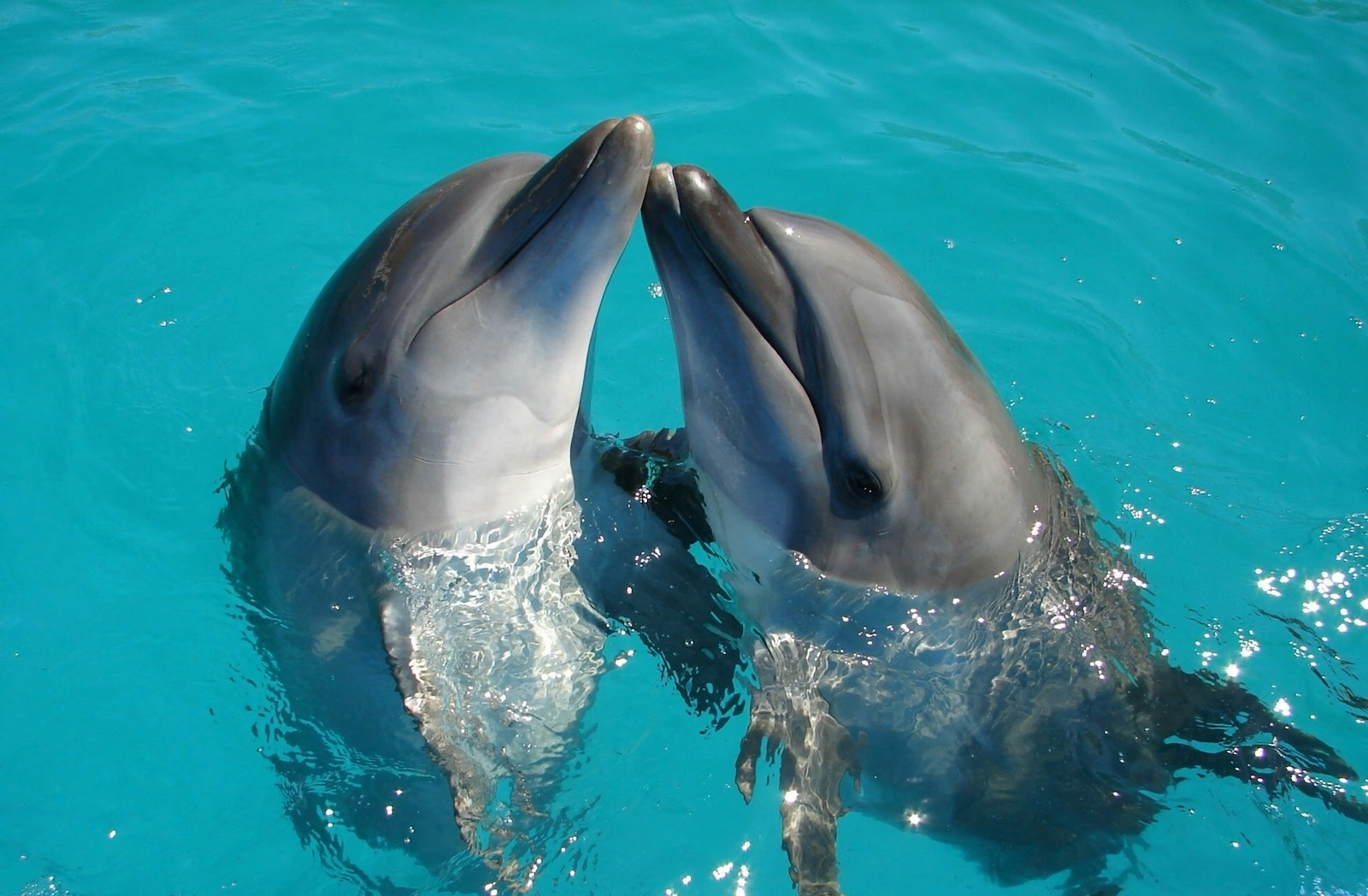
Among the most beloved wildlife species in Tampa Bay are bottlenose dolphins. These intelligent marine mammals are frequently spotted throughout the bay, particularly near channels, bridges, and coastal waters.
Dolphins thrive in Tampa Bay because the estuary provides abundant fish populations and favorable water conditions. Visitors often encounter dolphins while taking boat tours, paddleboarding, or simply walking along waterfront parks.
Dolphins play an important role in the ecosystem by helping maintain healthy fish populations. Their presence is often viewed as an indicator of a productive marine environment. Local residents and visitors alike consider dolphin sightings one of the highlights of exploring Tampa Bay’s waterways.
For more local nature experiences, visit Tampa City Guide’s wildlife and outdoor recreation sections to discover the best places for wildlife viewing throughout the region.
Manatees: The Gentle Giants of Tampa Bay
The Florida manatee is one of the most iconic animals found in Tampa Bay. Often called “sea cows,” these large aquatic mammals can grow up to ten feet long and weigh as much as 3,000 pounds. Manatees spend much of their time feeding on seagrasses and aquatic vegetation found throughout the bay’s shallow waters.
Manatees are particularly visible during cooler months when they seek warmer waters near power plant outflows, springs, and protected areas. Their slow-moving nature and curious personalities make them a favorite among wildlife watchers.
Despite conservation successes, manatees continue to face threats from boat collisions, habitat loss, and environmental changes. Responsible boating and habitat protection remain critical to ensuring their long-term survival.
Visitors interested in seeing manatees should always observe them from a respectful distance and avoid disturbing their natural behavior.
Birds of Tampa Bay
Tampa Bay is internationally recognized as an important destination for bird populations. The region supports resident species as well as migratory birds traveling along major flyways.
Birdwatchers can observe an incredible variety of species, including:
- Brown pelicans
- Great blue herons
- Great egrets
- Roseate spoonbills
- Ospreys
- Bald eagles
- White ibis
- Black skimmers
- Terns
- Cormorants
Large nesting colonies occupy protected islands throughout the bay, where birds can safely raise their young away from predators and human disturbances. Mudflats, mangrove shorelines, and seagrass meadows provide abundant feeding opportunities for shorebirds and wading birds.
Photographers often visit Tampa Bay specifically to capture images of roseate spoonbills, whose bright pink coloration creates spectacular photo opportunities.
Sea Turtles Along Tampa Bay’s Coastline
Sea turtles represent another important component of Tampa Bay’s wildlife. Several species inhabit Florida waters, with loggerhead sea turtles being the most common nesting species in the region.
Sea turtle nesting season generally occurs between April and October. During this period, female turtles come ashore on Gulf Coast beaches to lay eggs. Hatchlings emerge weeks later and make their journey to the ocean.
Conservation programs throughout the Tampa Bay area help protect nesting sites by monitoring beaches, reducing artificial lighting, and educating the public about responsible beach behavior.
Protecting nesting habitats is essential because sea turtles face numerous challenges, including habitat degradation, marine debris, and coastal development.
Fish and Marine Life
Tampa Bay supports more than 200 fish species and serves as a critical nursery habitat for many recreational and commercial fisheries. Healthy seagrass beds, oyster reefs, and mangrove shorelines provide shelter for juvenile fish and other marine organisms.
Popular sport fish species include:
- Snook
- Redfish
- Tarpon
- Spotted seatrout
- Flounder
- Snapper
- Grouper
These fish attract anglers from around the world while contributing significantly to the region’s outdoor recreation economy.
In addition to fish, Tampa Bay waters contain crabs, shrimp, oysters, rays, and numerous invertebrate species that contribute to a balanced ecosystem.
Important Wildlife Habitats in Tampa Bay
Seagrass Meadows
Seagrass meadows are among the most valuable habitats in Tampa Bay. These underwater flowering plants provide food for manatees and habitat for fish, shellfish, and other marine life. Healthy seagrass coverage is often considered a key indicator of environmental health.
Mangrove Forests
Mangroves stabilize shorelines, reduce erosion, improve water quality, and provide critical habitat for wildlife. Birds, fish, crabs, and reptiles all depend on mangrove ecosystems for survival.
Oyster Reefs
Oyster reefs act as natural water filters while providing habitat for numerous marine species. A single oyster can filter significant amounts of water, helping improve overall water quality within the bay.
Salt Marshes and Wetlands
Wetlands and salt marshes support diverse wildlife populations while reducing flooding and improving water quality. Many bird species rely on these habitats during migration and breeding seasons.
Conservation Efforts Protecting Tampa Bay Wildlife
Over the past several decades, regional organizations, local governments, researchers, and volunteers have worked together to restore and protect Tampa Bay’s ecosystems.
The Tampa Bay Estuary Program coordinates restoration initiatives focused on water quality improvements, habitat restoration, and wildlife conservation. These efforts have contributed to the recovery of seagrasses and improvements in habitat health throughout the watershed.
Organizations such as Tampa Bay Estuary Program and Tampa Bay Wildlife Rehabilitation play important roles in conservation, education, and wildlife rescue efforts.
Community involvement remains essential to protecting wildlife for future generations.
Best Ways to Experience Wildlife in Tampa Bay
Visitors can enjoy Tampa Bay wildlife through a variety of outdoor activities:
Kayaking and Paddleboarding
Paddling through mangrove tunnels and shallow estuaries offers excellent opportunities to observe birds, fish, dolphins, and other wildlife in their natural habitats.
Wildlife Photography
Nature photographers frequently visit the region to capture images of birds, dolphins, sunsets, and coastal landscapes.
Birdwatching
Numerous parks, preserves, and wildlife refuges provide exceptional birdwatching opportunities throughout the year.
Eco-Tours
Guided eco-tours help visitors learn about local ecosystems while increasing their chances of seeing dolphins, manatees, and other wildlife species.
Conclusion
Wildlife in Tampa Bay represents one of Florida’s greatest natural assets. From manatees grazing in seagrass beds to dolphins leaping through coastal waters and thousands of birds nesting on protected islands, the region offers extraordinary biodiversity and unforgettable outdoor experiences.
The continued success of conservation efforts demonstrates the importance of protecting habitats, improving water quality, and promoting responsible recreation. Whether you are a local resident or a visitor exploring the Gulf Coast, Tampa Bay provides countless opportunities to connect with nature and appreciate the remarkable wildlife that calls this estuary home.
For more local guides, attractions, parks, and outdoor adventures, explore Tampa City Guide and discover everything that makes Tampa Bay one of Florida’s premier destinations for wildlife enthusiasts.
Explore more of Tampa:
- For more green space and outdoor spots, explore the parks in the Tampa Bay area.
Related Reading
- Discover the Top 5 Best Waterfront Restaurants in Tampa with Sunset Views
- Best Beaches Near Tampa, FL: A Local Guide to Gulf Coast Shores
- Best Dog Parks in Tampa, FL: Where Your Pup Can Run and Play
Explore Tampa Bay Wildlife Up Close
Ready to go see it for yourself? Dive into our friendly, in-depth guides to the region’s most beloved wildlife: