Buying your first home in Tampa is exciting—and, understandably, a little overwhelming. Between saving for a down payment, understanding closing costs, and choosing the right neighborhood, there is a lot to learn. The good news is that Tampa remains one of Florida’s most dynamic markets, with options across a wide range of budgets.
This guide walks first-time buyers through the process step by step, from getting pre-approved to closing on your new Tampa home.
Step One: Get Your Finances Ready
Before you tour a single home, understand your budget. Lenders look at your income, debts, credit score, and down payment to determine how much you can borrow. A strong credit score can meaningfully lower your interest rate.
Get pre-approved for a mortgage early. A pre-approval letter tells sellers you are serious and clarifies your true price range before you fall in love with a home outside it.
Understanding the Real Costs of Buying
Your down payment is only part of the picture. First-time buyers are often surprised by closing costs, property taxes, homeowners insurance, and—in Florida—the importance of flood insurance in certain zones.
Budget carefully and ask your lender for a detailed estimate so there are no surprises at the closing table.
- Down payment — often 3 to 20 percent depending on loan type
- Closing costs — typically 2 to 5 percent of the price
- Insurance — homeowners plus possible flood coverage
- Property taxes — budget for annual county rates
Choosing the Right Tampa Neighborhood
Tampa offers everything from walkable urban condos to family suburbs with top schools. Think about your commute, lifestyle, and long-term plans before committing to an area.
First-time buyers often find strong value in emerging neighborhoods and nearby suburbs, where prices can be more approachable than in the most established districts. Explore several areas at different times of day before deciding.
Building Your Homebuying Team
You do not have to navigate your first purchase alone. A good buyer’s agent works on your behalf at no direct cost to you in most transactions, guiding you through offers, negotiations, and inspections. Pair them with a responsive lender and a thorough home inspector, and you have a team that protects your interests.
Do not skip the home inspection to win a competitive offer. In Florida, an inspector checks for roof condition, wind-mitigation features, HVAC health, and moisture issues that can be costly later. The few hundred dollars it costs can save you from an expensive surprise after closing.
Getting Your Finances Ready Before You Shop
The most important work of buying your first Tampa home happens before you tour a single property. Lenders evaluate your income, existing debts, credit score, and available down payment to decide how much you can borrow—and at what interest rate. Even a modest improvement in your credit score can translate into a meaningfully lower rate and thousands saved over the life of the loan.
Getting pre-approved early is the single smartest move a first-time buyer can make. A pre-approval letter does two things: it tells you your true price range so you do not fall for a home you cannot afford, and it signals to sellers that you are a serious, qualified buyer—a real advantage in a competitive market.
Take time to shop lenders, too. Rates, fees, and loan programs vary, and the right lender for a first-timer is one who explains the process patiently and matches you with a program suited to your situation, whether that is a conventional loan, an FHA loan, or a special first-time-buyer product.
Understanding the Full Cost of Ownership
First-time buyers are often surprised that the down payment is only part of the equation. Closing costs—typically two to five percent of the purchase price—cover lender fees, title work, and prepaid expenses. On top of that come property taxes, homeowners insurance, and, in much of the Tampa area, flood insurance, which is a genuine consideration given the region’s geography.
Budgeting realistically for all of these prevents unpleasant surprises at the closing table and in the months after. Ask your lender for a detailed written estimate, and remember that owning a home also means ongoing maintenance and the occasional unexpected repair—build a cushion into your budget so a broken HVAC unit does not become a crisis.
- Down payment — often 3 to 20 percent depending on loan type
- Closing costs — typically 2 to 5 percent of the price
- Insurance — homeowners plus possible flood coverage
- Property taxes — budget for annual county rates
- Maintenance reserve — a cushion for repairs and upkeep
Choosing a Neighborhood and Building Your Team
Tampa offers an unusually wide range of places to call home, from walkable urban condos and revitalized historic districts to family suburbs with strong schools. Before committing, think hard about your commute, your lifestyle, and your plans for the next several years. Visit prospective neighborhoods at different times of day and week—a street that is quiet on a Tuesday morning can feel very different on a Friday night.
First-time buyers often find the best value in emerging neighborhoods and nearby suburbs, where prices tend to be more approachable than in the most established districts while still offering room for appreciation. A knowledgeable local agent can point you toward areas that fit both your budget and your goals.
You do not have to navigate any of this alone. A good buyer’s agent works on your behalf—usually at no direct cost to you—guiding you through offers, negotiations, and inspections. Pair them with a responsive lender and a thorough home inspector, and resist the temptation to skip the inspection to win a bid. In Florida, an inspector’s check of the roof, wind-mitigation features, HVAC, and moisture issues can save you from a costly surprise long after closing.
Frequently Asked Questions
How much do I need for a down payment in Tampa?
It varies by loan type. Some programs allow as little as 3 percent down, while conventional loans often expect more. First-time buyer and government-backed programs can reduce the upfront amount significantly.
Are there first-time home buyer programs in Florida?
Yes. Florida offers state and local programs that provide down payment and closing-cost assistance to qualified first-time buyers. Ask your lender or a local housing agency which programs you may qualify for.
Do I need flood insurance in Tampa?
It depends on the property’s flood zone. Many Tampa-area homes require flood insurance, and even outside high-risk zones it can be a wise investment. Always check the flood zone before buying.
The Bottom Line for First-Time Buyers in Tampa
Buying your first Tampa home is very achievable with the right preparation. Get your finances in order, secure a pre-approval, budget for the full cost of ownership, and take time to choose a neighborhood that fits your life. With a solid plan and a good local agent, your first closing can be smoother than you expect.
Explore more of Tampa:
- Thinking about buying or selling? See our Tampa Bay real estate market overview.
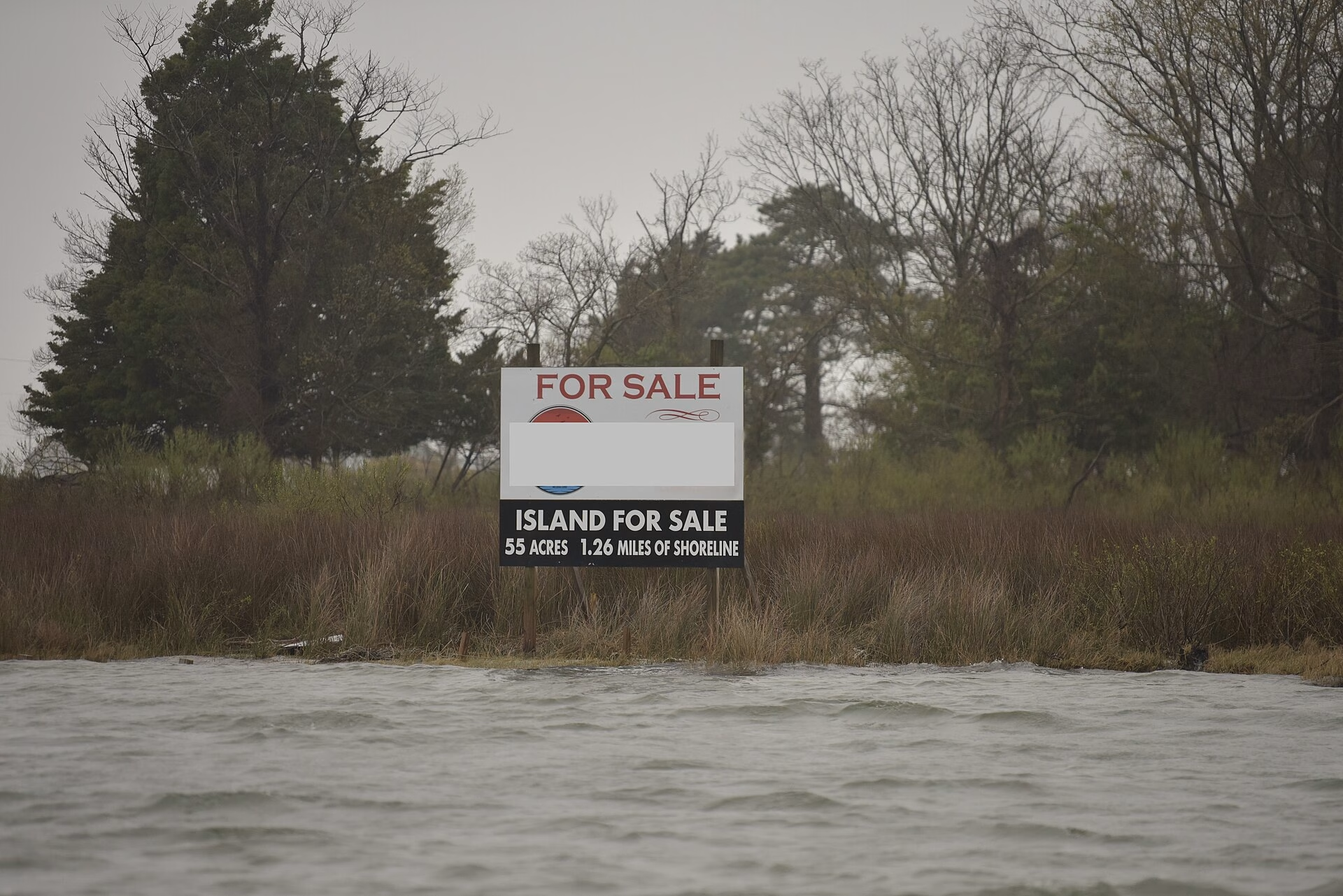
Featured image: USDAgov, via Wikimedia Commons (Public domain).